Understanding the Scope and Importance of a Baltic Company Database
The Baltic region—comprising Estonia, Latvia, and Lithuania—has quietly transformed into one of Europe’s most digitally advanced and business-friendly corners. With a combined population of around 6 million, a robust startup culture, and a strategic position between Scandinavia and Central Europe, the Baltics have attracted investors, exporters, and service providers from around the world. Yet, for all the opportunity, navigating the fragmented landscape of national business registries remains a significant hurdle. This is where a Baltic company database becomes indispensable. Rather than visiting three separate official registries—each with its own language, interface, and data structure—professionals can turn to a unified platform that aggregates, standardizes, and enriches company records from all three countries.
A high-quality Baltic company database pulls data directly from official sources such as the Lithuanian Centre of Registers, Latvia’s Enterprise Register, and Estonia’s e-Business Register. It then cleanses that data, harmonizes industry codes (NACE), and often adds valuable layers like financial indicators, contact details, and beneficial ownership structures. For a sales team looking to build a B2B pipeline in Vilnius, Riga, or Tallinn, the ability to filter companies by turnover, employee count, or legal form in one central dashboard saves weeks of manual research. For compliance officers, having immediate access to up-to-date statutory information helps meet Know Your Customer (KYC) and anti-money laundering obligations without chasing outdated PDFs. And for market analysts, a cross-border database reveals trends that remain invisible when studying a single country in isolation.
The true power of a Baltic company database lies in its ability to turn raw registration data into actionable intelligence. Instead of a simple list of names and codes, modern platforms deliver structured profiles that link parent companies and subsidiaries, map corporate hierarchies, and highlight changes over time. This depth transforms the database from a lookup tool into a strategic resource. Whether you are screening potential partners, monitoring competitors, or evaluating a merger target, having a complete, reliable view of the business landscape across all three Baltic states reduces risk and accelerates decision-making. By working with a solution that covers the full region, you also avoid the common pitfall of missing cross-border ownership structures—a frequent scenario in the Baltics, where entrepreneurs often operate groups spanning Estonia, Latvia, and Lithuania simultaneously. Accessing a well-maintained baltic company database can eliminate these blind spots and give you the confidence to act on verified information.
Core Data Points and Advanced Features You Should Expect
Not all business databases are created equal, and when evaluating a Baltic company database, understanding the granularity and freshness of the data is critical. At its foundation, any reliable source should provide the legally mandated identifiers: the company name (in local and, ideally, transliterated forms), registration number, VAT code, legal form (UAB, SIA, OÜ, etc.), and the official registered address. These core fields are the bare minimum. However, a database truly becomes a business tool when it layers on additional information such as the date of incorporation, current status (active, liquidated, suspended), share capital, and the names of directors and key shareholders. In the Baltic context, where many companies are managed by board members rather than single CEOs, having access to the full management board composition is particularly useful.
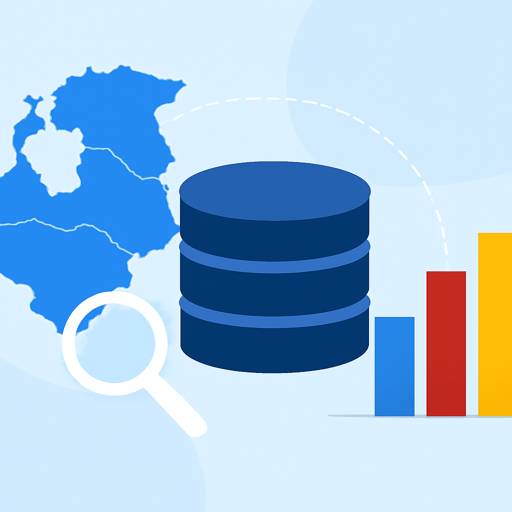
Beyond identification, financial data is often the deciding factor for users performing credit assessments or prioritizing sales leads. Leading Baltic company database solutions incorporate annual turnover, net profit, employee count, and asset figures extracted from official tax declarations and annual reports. Estonia’s digital-first approach and Lithuania’s increasingly transparent reporting standards mean that for many entities you can access multi-year financial trends, liquidity ratios, and even detailed profit-and-loss breakdowns. Such data, when standardized across the three countries, allows you to compare, for example, a mid-sized logistics firm in Latvia with a similar operator in Estonia without manually converting currencies or adjusting for different accounting formats. The use of NACE classification codes ensures consistent industry segmentation, enabling market segmentation by sector such as information technology, manufacturing, or transport and storage.
Advanced features separate a basic directory from a strategic intelligence platform. Look for a Baltic company database that offers bulk export and filtering capabilities—the ability to download hundreds or thousands of records with selected columns is essential for CRM enrichment or direct marketing campaigns. Programmability through an API is another differentiator, allowing larger organisations to integrate live company data directly into their internal workflows, compliance checks, or customer onboarding systems. Some platforms also provide real-time monitoring and alerts, notifying you when a target company changes its name, registered address, management, or enters insolvency proceedings. This proactive capability is invaluable for credit risk management and supplier due diligence. Additionally, a well-designed interface will let you search by a person’s name to uncover all their directorships and holdings—a feature that streamlines beneficial ownership investigations across the three Baltic states. When such functionality is combined with clean data that is refreshed directly from official registries at least monthly, the database becomes a single source of truth for regional business intelligence.
Real-World Applications: From Prospecting to Risk Management
The practical uses of a Baltic company database extend far beyond a simple company search. One of the most common scenarios is B2B sales prospecting. Imagine a Polish packaging supplier aiming to break into the Baltic market. Instead of buying random contact lists, the supplier can use the database to identify all food production companies in Lithuania, Latvia, and Estonia with more than 50 employees and annual revenue above €2 million. The resulting list can be filtered by location, exported with verified addresses and phone numbers, and immediately used for targeted outreach. The same approach works for software vendors, logistics companies, and professional service providers. Because the data reflects official registrations, the contacts are far more reliable than those scraped from generic web directories, resulting in higher deliverability and lower bounce rates.
Another critical application is supplier due diligence and compliance. Under EU anti-money laundering directives, companies must verify the identity and ownership structure of their business partners. A Baltic company database that maps ultimate beneficial owners (UBOs) directly from transparency registers helps compliance teams satisfy these requirements quickly. For procurement departments, checking a potential supplier’s financial health and payment default history before signing a contract can prevent costly disruptions. Many databases now also include negative news screening or links to official insolvency and tax debt lists, allowing you to spot red flags early. In the Baltic context, where cross-border trade within the region is dense, the ability to screen suppliers in all three countries through a single interface significantly cuts the time needed for risk assessments and supports a harmonized compliance process across the group.
Market researchers and investment analysts also rely heavily on unified company data. Using a Baltic company database, an analyst can map competitive landscapes, track market concentration, or identify acquisition targets. For instance, a private equity firm evaluating the Baltic fintech ecosystem can quickly pull all companies classified under NACE codes for financial service activities, filter by growth rate and employee size, and cross-reference with patent filings or public funding rounds. Similarly, a government export promotion agency can use aggregated data to identify high-growth sectors and connect domestic companies with potential trading partners. Educational institutions and journalists use the databases to monitor economic trends and investigate corporate networks. In every case, the database reduces the friction of working with multiple national registries, each with its own language and user experience, and replaces guesswork with structured, comparable insight. The result is faster, more informed decisions that are grounded in official records rather than fragmented online research.

A Pampas-raised agronomist turned Copenhagen climate-tech analyst, Mat blogs on vertical farming, Nordic jazz drumming, and mindfulness hacks for remote teams. He restores vintage accordions, bikes everywhere—rain or shine—and rates espresso shots on a 100-point spreadsheet.