The world is falling back in love with the handmade. Yet for many makers, the leap from workbench to web shop comes with obstacles: expensive photoshoots, inconsistent lighting, slow turnarounds, and the constant demand for new visuals across e-commerce, social, and print. Enter a new class of AI tools for artisans that preserves the integrity of the craft while removing the bottlenecks that keep products from reaching customers. These platforms transform sketches, CAD files, and simple product photos into polished, studio-quality visuals, helping independent jewelers, watchmakers, leatherworkers, and accessory designers compete with bigger brands—quickly, affordably, and at scale. For artisans who want to market smarter without diluting authenticity, AI-powered visual production offers a practical bridge between tradition and technology.
From Sketch to Showcase: Turning Handmade Vision into Market-Ready Imagery
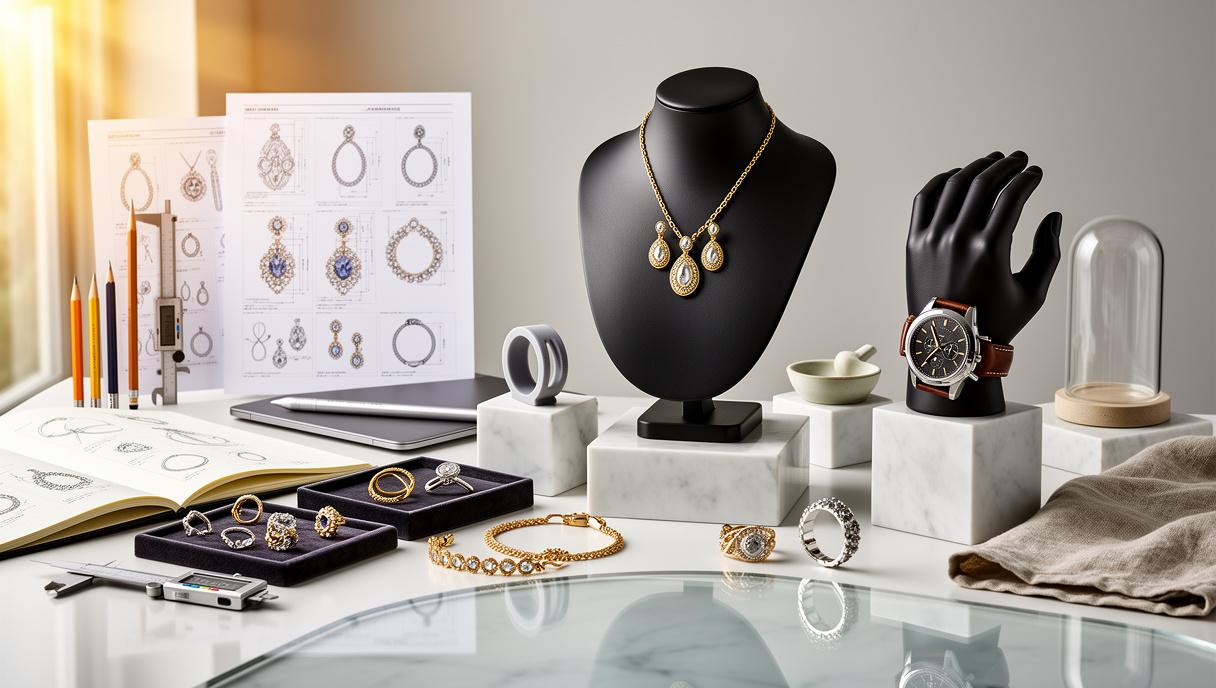
Every artisan knows how challenging it is to capture the nuance of materials—polished metal, intricate clasps, gemstone fire, or the subtle texture of leather. Traditional photography demands a full team and a perfect setup; a simple reflection on a ring can derail a shoot. Modern AI visual platforms reduce that friction by converting sketches, CAD models, and even phone snapshots into lifelike imagery that’s consistent across packs, collections, and channels. With smart lighting, controlled reflections, and material-aware editing, a single piece can be rendered as clean packshots for product detail pages, styled lifestyle scenes for campaigns, and even on-model imagery ready for ads and lookbooks—without the logistics of booking studios, stylists, or locations.
This matters for speed and storytelling. Launches that once required weeks of scheduling, shipping, and retouching now move forward in days. AI-generated scenes can be tailored to reflect a brand’s aesthetic—think soft natural light for a bohemian jewelry line or high-contrast drama for a modern watch microbrand—while ensuring every angle, background, and composition aligns with guidelines. With 2K and 4K outputs, artisans can create assets suitable for everything from Instagram Reels to high-resolution print catalogs. The result isn’t just more content; it’s content with cohesion: a strong, distinctive visual language that makes handcrafted objects feel both aspirational and attainable.
Another underrated benefit is iteration. Need a gold, rose gold, and rhodium-plated variant? Want to preview a pavé setting before committing to production? AI-assisted concept-to-reality workflows let makers visualize finishes, stones, and colorways from a single master file. This prototyping approach is perfect for pre-orders and custom commissions—clients can “see” the piece before it exists, approve details faster, and reduce last-minute changes. For artisans balancing bespoke work with ready-to-ship lines, this agility leads to smarter inventory decisions and better margins.
The Modern Artisan’s AI Toolkit: Practical Use Cases That Save Time and Money
Today’s maker doesn’t need a degree in CGI to benefit from AI-driven product visualization. A drag-and-drop studio with smart editing can handle the repetitive tasks that weigh down small teams: background cleanup, dust and scratch removal, reflection control, shadow consistency, and color accuracy. Built-in style templates ensure new releases match the aesthetic of past campaigns. Batch processing helps artisans update entire collections with fresh visuals—ideal during rebrands or seasonal refreshes. And because outputs are ready-to-use, assets slot directly into Shopify, Etsy, and marketplace listings with minimal manual tweaks.
There’s also an SEO advantage. Clean, consistent packshots reduce return rates by setting the right expectations, while AI-assisted alt text and structured metadata support discoverability. Lifestyle scenes can be generated to match audience intent—street-style shots for urban customers, minimal tabletop for editorial pages, or warm natural light for wedding-focused lines. The ability to create on-model images without booking talent widens creative possibilities: different skin tones, hand poses, and wardrobe pairings that celebrate diversity and context. For artisans managing a social calendar, this means a pipeline of high-impact visuals tailored to each platform’s dimensions and trends, from carousel posts to email hero images. To explore how these capabilities come together for luxury craft, see AI tools for artisans.
Budget-wise, AI turns content creation from a fixed, heavyweight expense into a flexible, on-demand utility. No shipping products across town, no reshoots after a minor design tweak, no last-minute scrambling because the model is booked out. When a maker updates a clasp, tweaks a gemstone size, or adds engraving, the visuals evolve in minutes. For bespoke orders, artisans can generate client-ready previews, secure approvals, and send personalized follow-ups with stunning renders—building trust before the first cut or cast. This cuts risk while enhancing the premium feel customers expect from handcrafted goods.
Real-World Workflows and Case Studies: Independent Makers to Boutique Luxury Houses
Consider a boutique jeweler preparing a spring drop of earrings and pendants. The collection features mixed metals and delicate stones—typically a nightmare to light consistently. Using AI, the artisan imports CAD files and a few master photos, then produces a full suite of images: crisp white-background packshots for product pages, airy lifestyle scenes for Instagram Stories, and editorial-style close-ups for the homepage hero. Colorways are handled in one session—silver, gold, and rose gold—so the shop can launch simultaneously across channels. The pre-launch email features AI-generated on-model visuals that show scale on different skin tones, resulting in stronger click-throughs and fewer sizing questions. What once required a studio booking and a retouching queue now happens from a laptop—without compromising the craft or the brand’s refined look.
Or take a watch-strap atelier selling direct to consumer and through local retailers. The team needs macro shots that showcase stitch density, edge finishing, and buckle detail, plus lifestyle scenes that match the vibe of each strap—heritage leather in warm natural light versus modern synthetic in a clean tech setting. AI-powered editing ensures consistent shadows and metal reflections, while preset “brand looks” make collection updates painless. Retailers receive multi-angle assets sized for their storefronts, and the atelier updates packaging inserts with 4K close-ups. Because imagery is fast to produce, the brand experiments confidently: limited runs, seasonal colors, and collaborations with local watch clubs, all supported by visuals that keep excitement high and inventory risk low.
Independent artisans serving local markets benefit too. A custom jeweler who meets clients in-person can show concept renders on a tablet, iterate on claw profiles or stone layouts in real time, and email lifelike previews after the appointment. For makers who sell at craft fairs or pop-ups, AI helps unify signage, postcards, and booth visuals; the same files are repurposed for marketplace listings and press kits. When a publication requests assets, the artisan can deliver a cohesive set—packshots, lifestyle, and model images—without booking a new shoot. The throughline across these scenarios is simple: AI extends the artisan’s reach. It adds polish to the brand narrative, removes barriers to production, and allows small teams to act with the speed and confidence of larger studios, all while keeping the focus on what truly matters—the quality, provenance, and beauty of the work itself.

A Pampas-raised agronomist turned Copenhagen climate-tech analyst, Mat blogs on vertical farming, Nordic jazz drumming, and mindfulness hacks for remote teams. He restores vintage accordions, bikes everywhere—rain or shine—and rates espresso shots on a 100-point spreadsheet.